Field Notes
Further reading and odds & ends
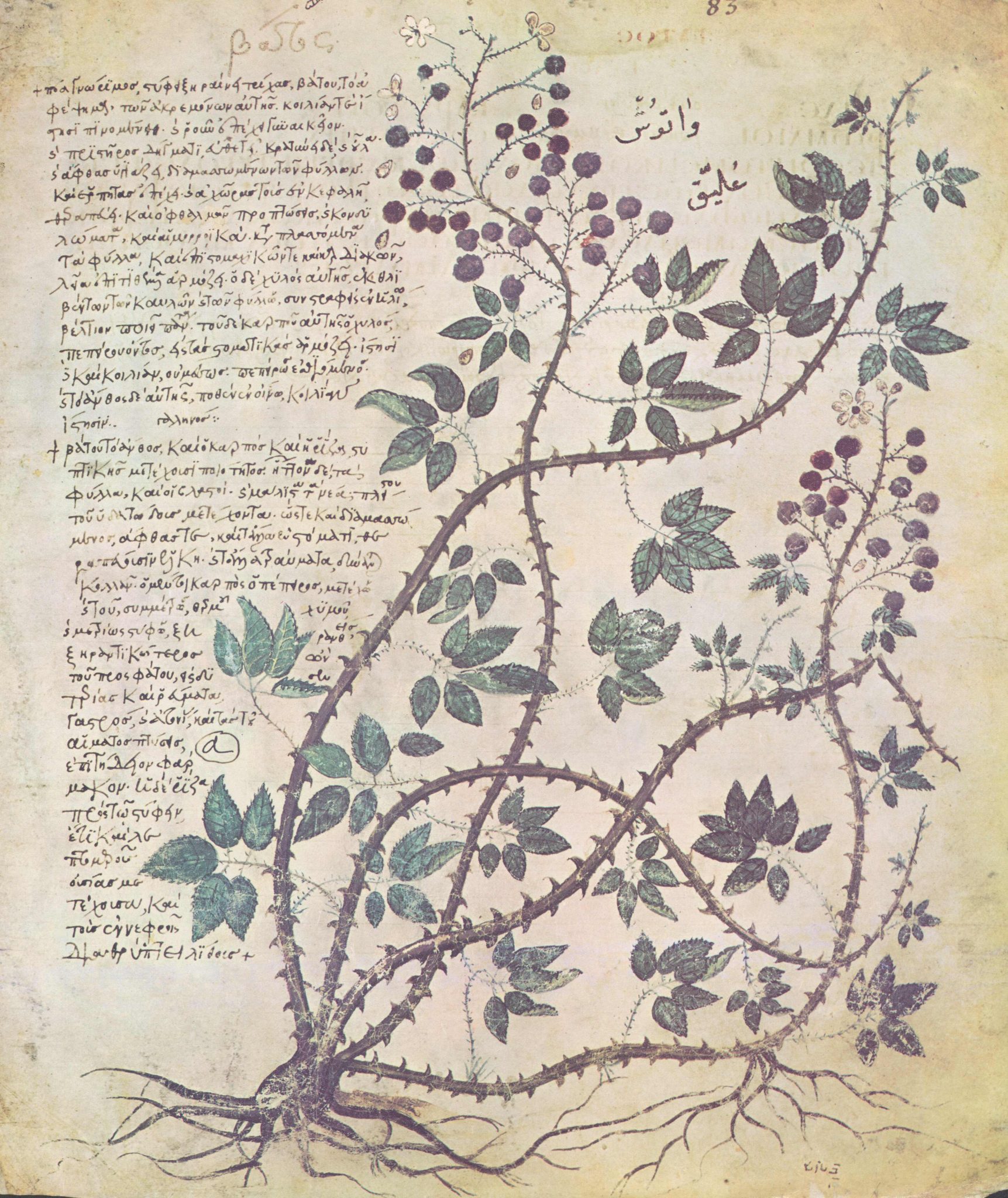
Rubus fruticosus (Bramble/Blackberry) · Folio 83r · Vienna Dioscurides (Juliana Anicia Codex) · c. 512–515 AD · Byzantine Empire · Austrian National Library, Vienna · UNESCO Memory of the World Register
I.
Libations, lore, and lyrics
The other Michaelmas folklore is concerning the blackberry. For this reason, the berry is featured in the cocktail “Kingfisher,” crafted by the industrious Holly Smith just for the wedding. Our cocktail napkin features a lyric (“Didn't you see my heart leap like a pup in the constant barley?”) from the epic Joanna Newsom song, which the cocktail is named after. You can read a (long) essay about it’s interpretation and King Arthurian ties here and listen to it here.
The second drink of the evening, ‘Sharing Orb,’ is a nod to another female musician, Bjork. This one is spicy, peachy, and a little salty (the drink, but maybe Bjork too). Like Joanna Newsom, she is known for her distinct voice, and has adapted Norse folklore into her some of her music. ‘Sharing Orb’ is a collaboration between the Dirty Projectors and Bjork that explores our fraught relationship with the evergiving, sharing orb of water, Mother Earth (I think). I loved that a peach, and the harvest moon, are also orbs, but I don't think you will want to share the Sharing Orb.
Unlike the first two songs, this is a beloved Kate Bush song to us that you might actually hear (later in the night, that is).
You may sense a theme here with iconic genius female musicians who use folklore in their work. Now, if you know Hounds of Love, you know the fox is a main character, and since we have now introduced a fox into our grab-bag of iconography, l would like to end our lore section with Danica Boyce. Danica's work tying folklore into modern times has totally changed my life and is probably why this wedding is as nerdy as it is.
The first episode listed here is my favorite of hers (started here at a goose section), but the second is a recent drop and very relevant as well.
II.
Referenced Artwork
Artwork appearing in printed materials, presented in the order you will encounter it.
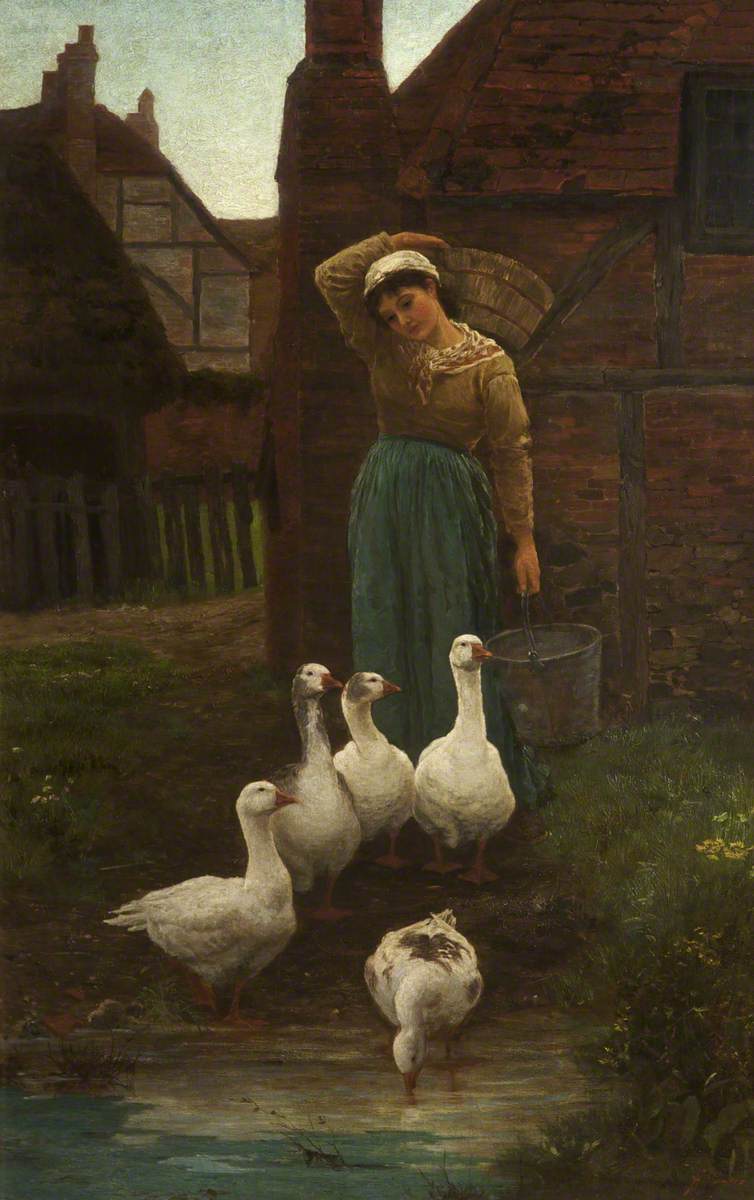
Michaelmas Geese · Alice Havers (1850–1890) · Oil on canvas · Wigan Arts and Heritage Service
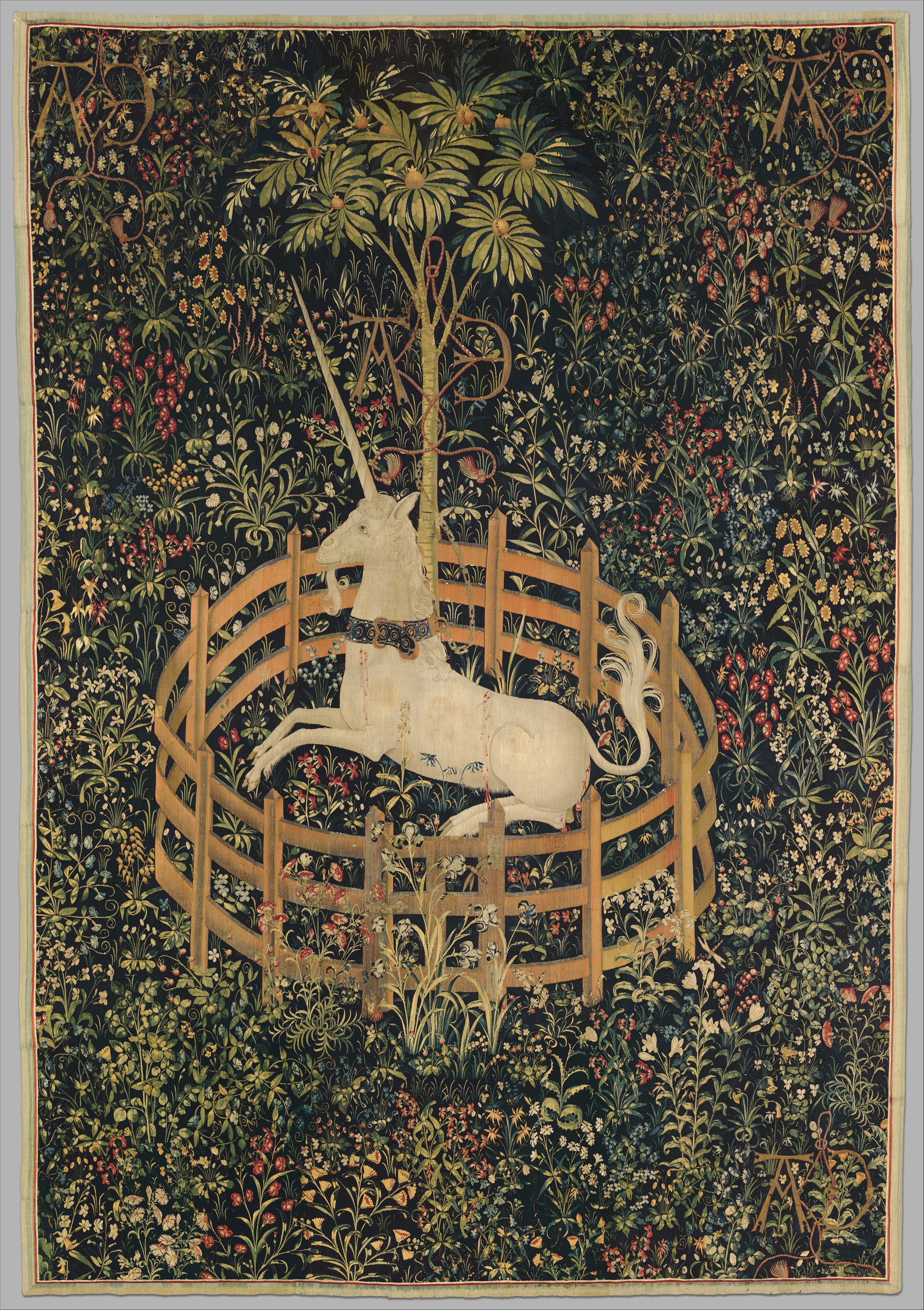
The Unicorn Rests in a Garden · Artist Unknown · c. 1495–1505 · The Met Cloisters, New York
The seven individual hangings known as “The Unicorn Tapestries,” are among the most beautiful and complex works of art from the late Middle Ages that survive. Luxuriously woven in fine wool and silk with silver and gilded threads, the tapestries vividly depict scenes associated with a hunt for the elusive, magical unicorn.
“The Unicorn Rests in a Garden” may have been created as a single image rather than part of a series. In this instance, the unicorn probably represents the beloved tamed. He is tethered to a tree and constrained by a fence, but the chain is not secure and the fence is low enough to leap over: The unicorn could escape if he wished. Clearly, however, his confinement is a happy one, to which the ripe, seed-laden pomegranates in the tree—a medieval symbol of fertility and marriage—testify. The red stains on his flank do not appear to be blood, as there are no visible wounds like those in the hunting series; rather, they represent juice dripping from bursting pomegranates above. Many of the other plants represented here, such as wild orchid, bistort, and thistle, echo this theme of marriage and procreation: they were acclaimed in the Middle Ages as fertility aids for both men and women. Even the little frog, nestled among the violets at the lower right, was cited by medieval writers for its noisy mating.
- Met Cloisters website
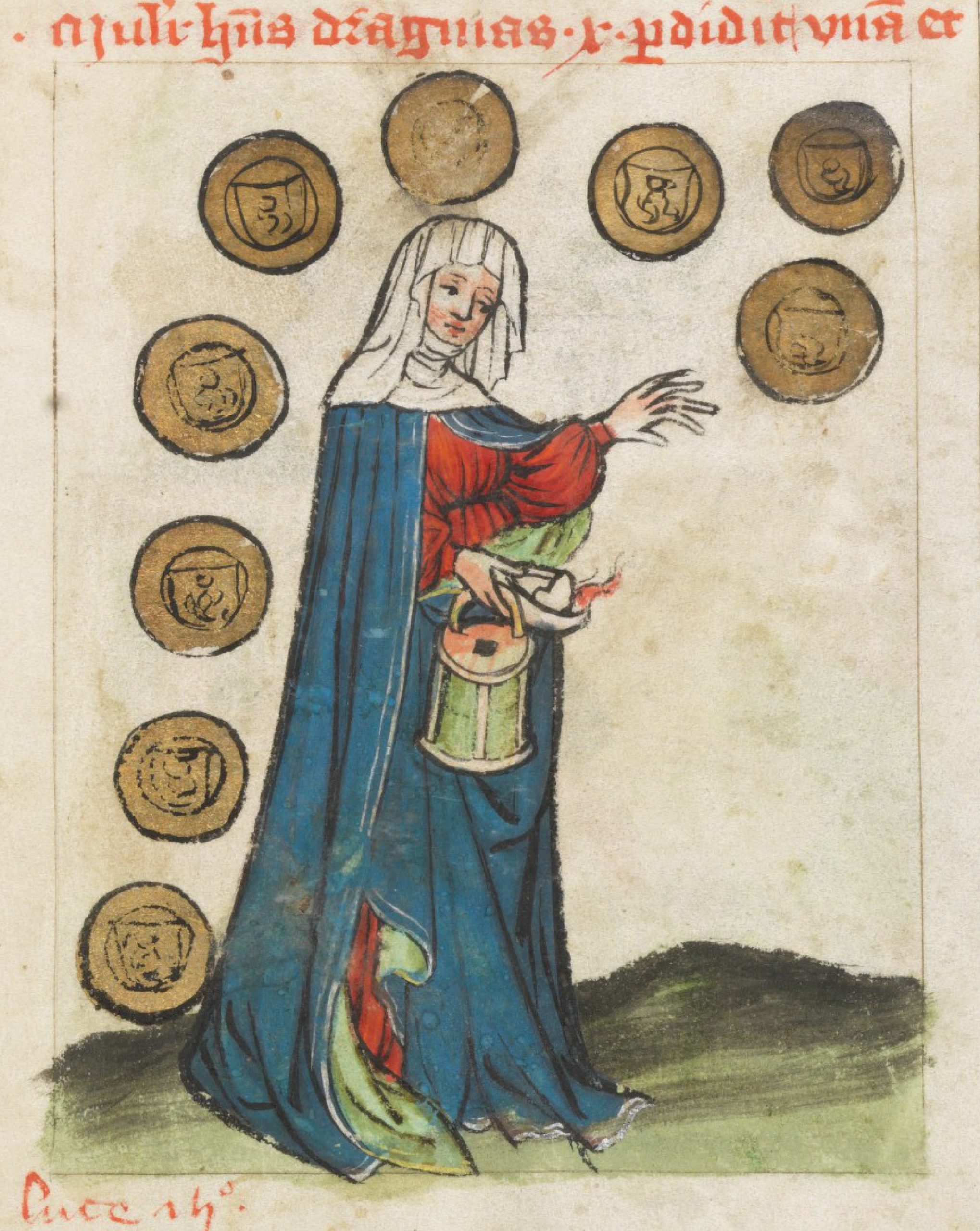
Lanterna · Speculum Humanae Salvationis · 1427 · Benedictine Convent of Sarnen, Switzerland · Via astrotrezzi.it
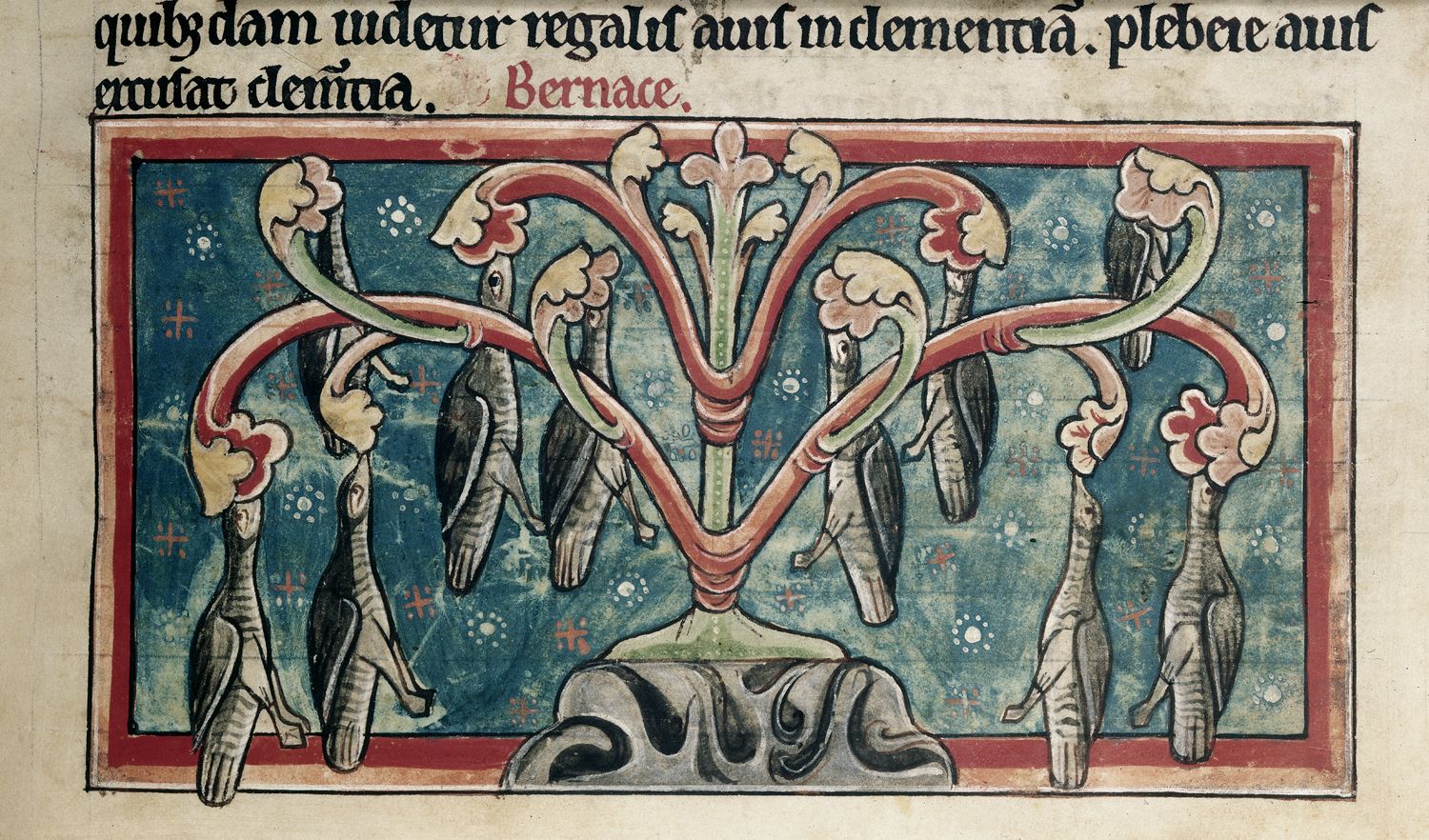
?????? · Folio 36r · Harley Bestiary (MS Harley 4751) · c. 1230–1240 · England · British Library, London
III.
Artifacts of interest
Pilgrim Badge
I had a silly dream of making everyone a pilgrim badge as a token of our gratitude and to remember the day by. Pilgrim badges were sold at sacred sites, as wearable souvenirs for those who completed the religious journey. These may have been the first "souvenir" and were probably also created to stop folks from desecrating the sites by stealing actual bits of it to take home. They are found all over the rivers of Europe, and are kind of, well, junk:
Together they form the largest corpus of medieval art objects to survive to us today.
We thought you might also end up thinking our pilgrim badge was junk, so, we have left you with a couple items that we hope give you a little more utility, but that I still can picture being useful during a long journey home, and to remind you of Camp Eiderdown. You may have some questions about some of the items, so do return here after the wedding if you find yourself in this position.
This goose pilgrim badge and its saint story are quite sweet:
Saint Werburga was an Anglo Saxon abbess. Her body was translated to Chester from the Midlands due to the Viking threat. This badge depicts one of St Werburga’s miracles. The story being that a flock of geese was destroying her abbey’s crops and as punishment St Werburga instructed a servant to enclose the geese within a fence. The geese remained within the fence overnight and the following morning St Werburga chastised and then forgave the geese who flew away. However, the geese soon returned as one of them was missing. When it was found that the missing goose had been killed and eaten the previous night, St Werburga took the bones and restored them to life. Now reunited, the flock flew away never to return.
Original found in London, 15th Century.
- Lionheart Replicas
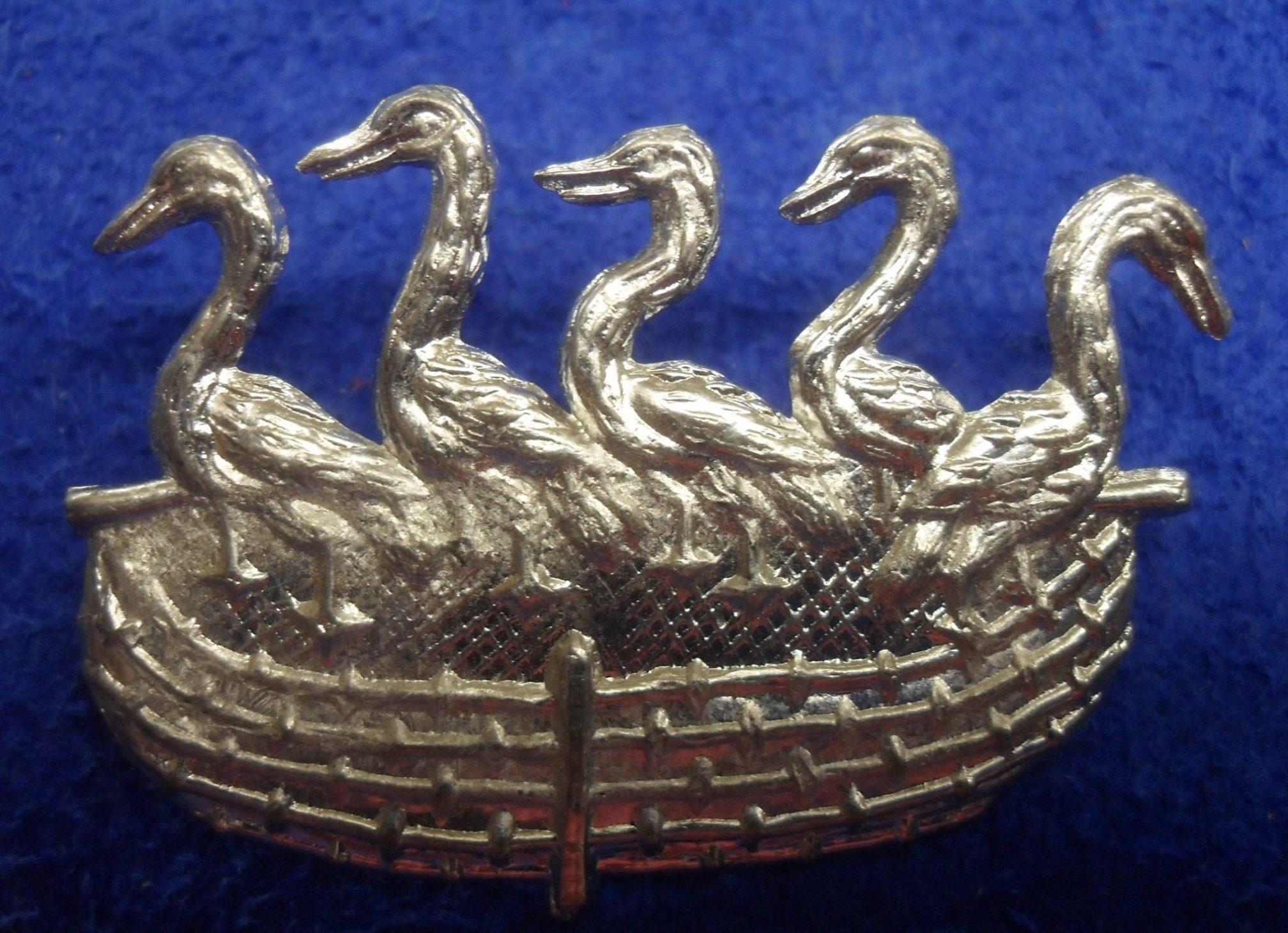
Saint Werburga badge replica · Via Billy & Charlie's Finest Quality Pewter Goods
Bells
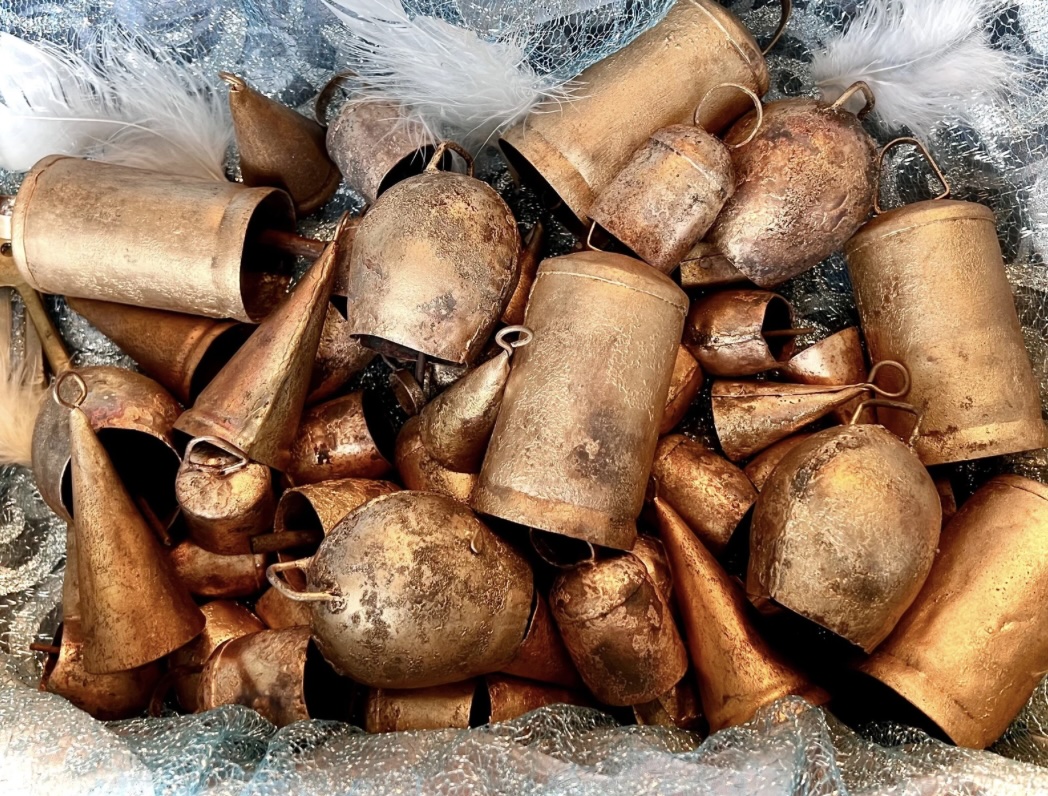
Congrats for making it this far. In lieu of a badge, we can offer you a bell. Just remember to pocket one (you'll see). The bell does feel related to the pilgrim badge: long associated with religous sites, merriment, and protection.
Thanks for being here. Let's ring some bells!
Love y'all.