Field Notes
Why Geese?
On waterfowl, old holidays, and how we got here
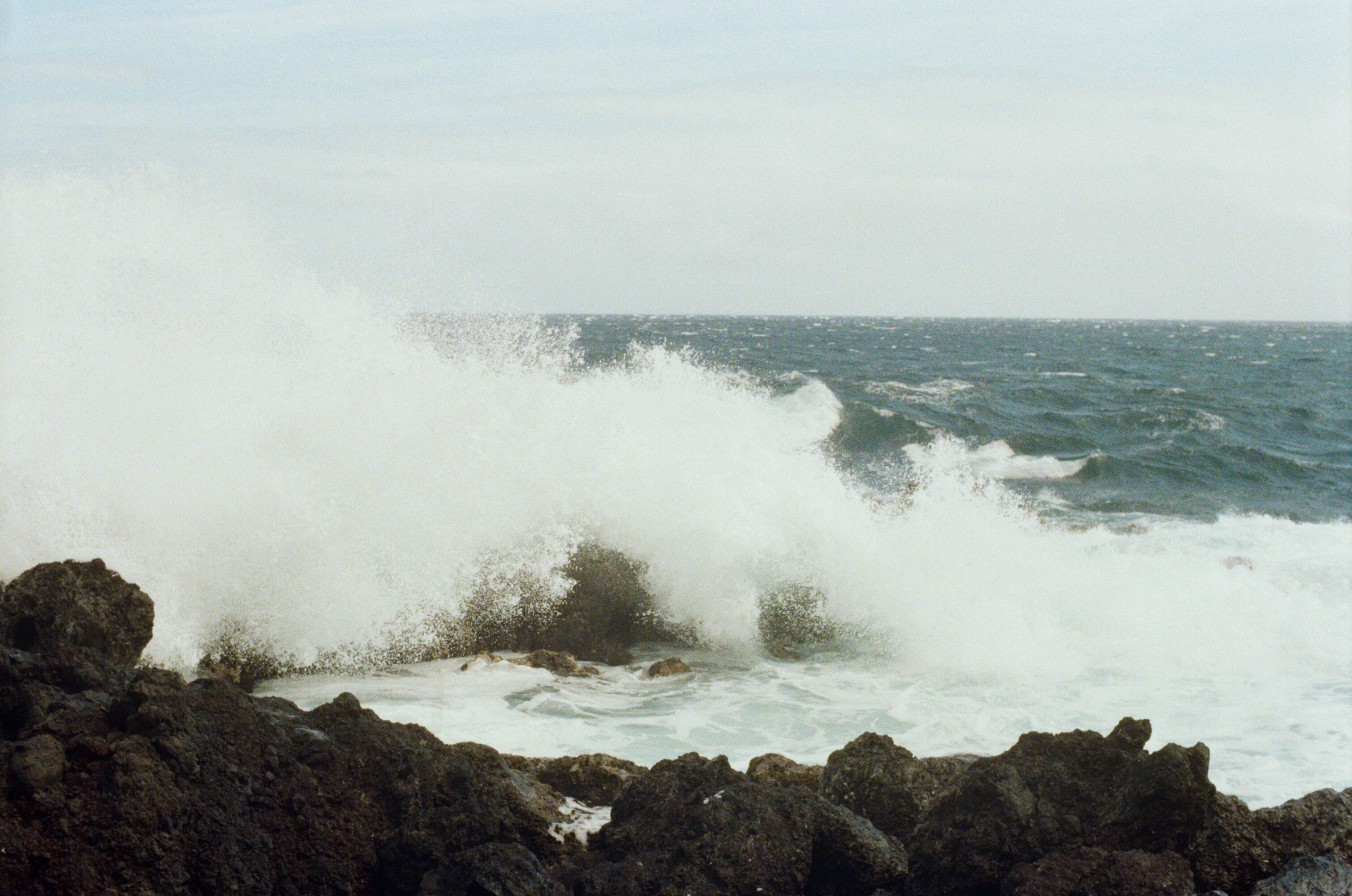
Your burning question may have been “why Camp Eiderdown?”.
An eider is a sea duck, so perhaps we can start there, and ask, why all these waterfowl?
When I met Spike 13 years ago, I quickly discovered he was a big fan of ducks. One of our first outings was to the arboretum to test some duck decoys that he had blown from glass, to see if they could stay afloat. Then of course there were the duck tattoos he had. Multiple ducks, multiple tattoos. To be honest, I don't think we ever discussed the “why ducks” for him, but I immediately came to equate Spike with a duck.
And as it turns out, ducks are everywhere if you fall in love with a human you associate with them.
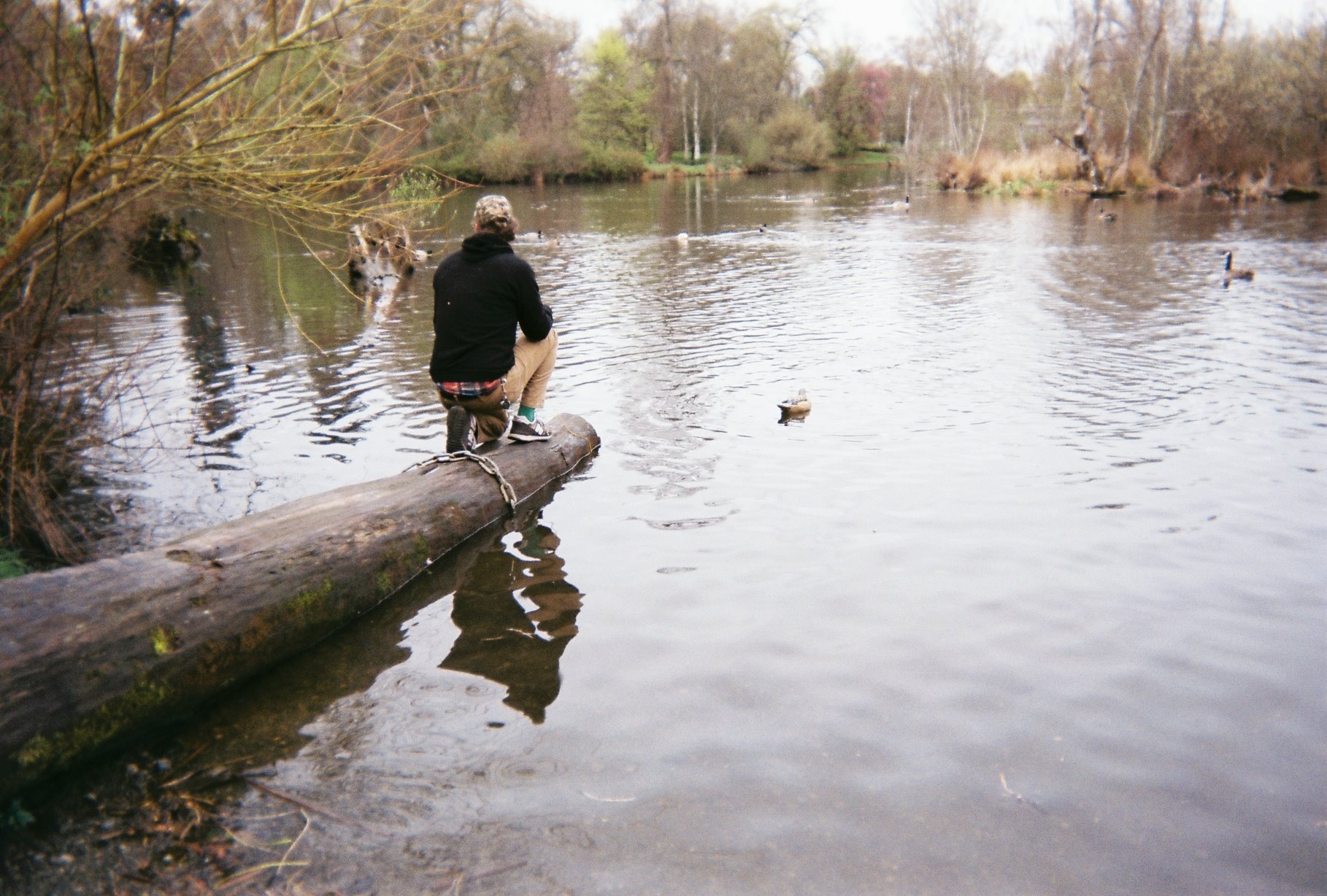
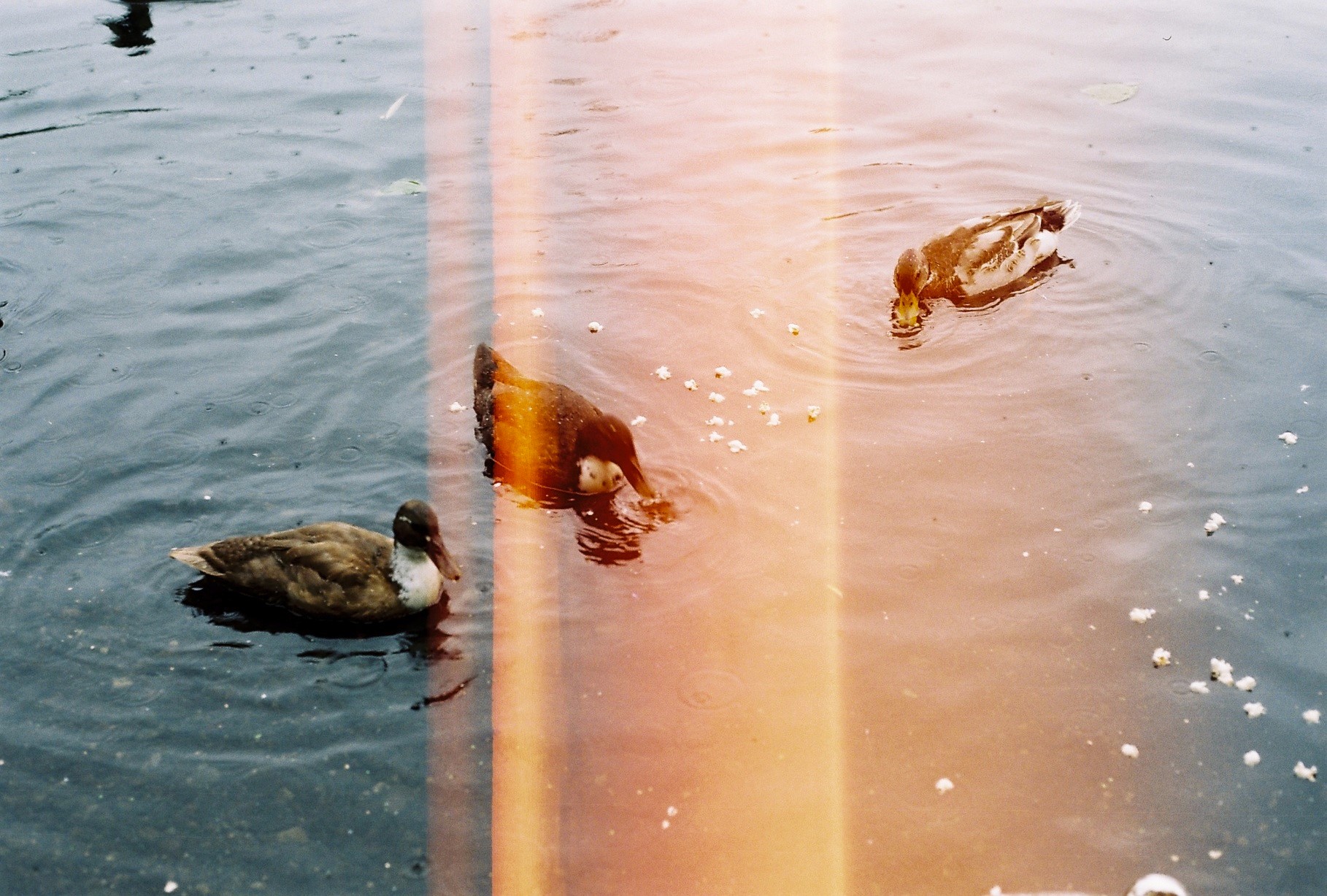
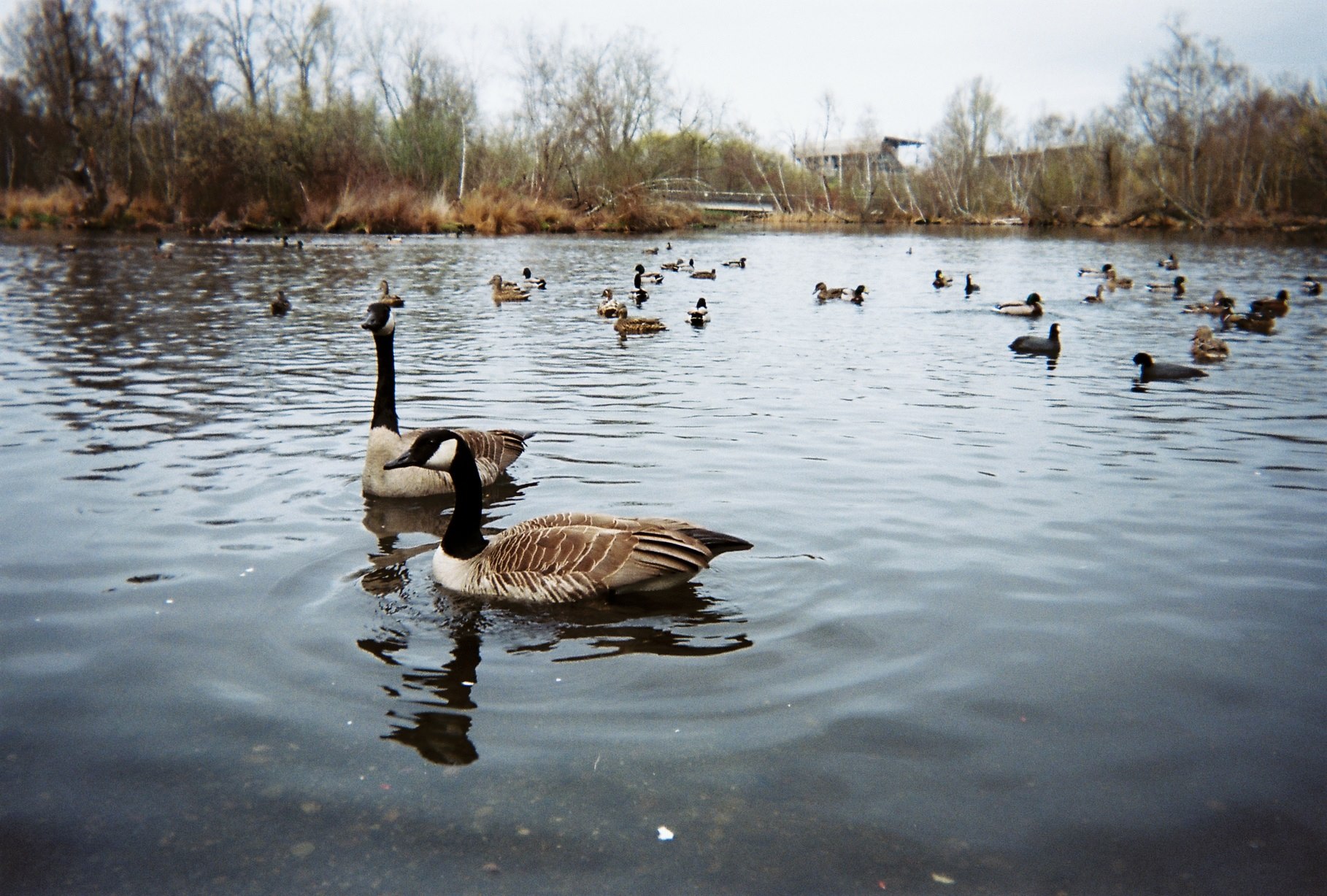
Not long after our first date, I nervously gifted him a small, painted, wooden figurine of a female Mallard for his birthday. To my relief, he cherished it, he was not put off by my early adoration, and this tiny duck has stayed in prominent view ever since: a reminder of how far we've come. Several years later we agreed to decrease our geographic distance and truly become a Pair. Following my study abroad in the Arctic (about as far North as one can be), we moved into an apartment in Columbia City, Seattle, with my cat Hotpie. Naturally, I then bought the male Mallard to accompany the female, and our duck and geese collection has continued to grow ever since. As a couple, we also grew. Over the next near-decade, I struggled to find the right job in my field. Spike always reassured me everything would be okay. He cooked meals so good I shed tears. He kept playing excellent music and keeping the calm. We adopted a Scottish fold kitten we named Peter, weathered the pandemic and crazy landlords together, and somehow two more years of part-time long distance while I pursued a graduate degree. To keep busy and afford our rent on his own, Spike worked a second job as a glaze technician at Seward Park Clay Studio.
When we were finally back together full-time, and celebrating our 10 year anniversary in Maine, we visited the Wendell Gilley Museum of carved wooden birds (that is, upon my adamant instance and concealment of how much of a detour it actually was). Wendell was a prolific self-taught artist whose first bird was a small Mallard, made as a gift for a friend. After thirty years, the friend returned it, and Gilley, in return, gave him a newly carved one (this one being much more anatomically correct).[1] Both are displayed side by side (Click to see) at the museum. It was moving, standing together in this humble museum, appreciating these tiny wooden ducks and their studious and patient evolution. Some uncanny parallel made itself cosmically known and my heart twanged.
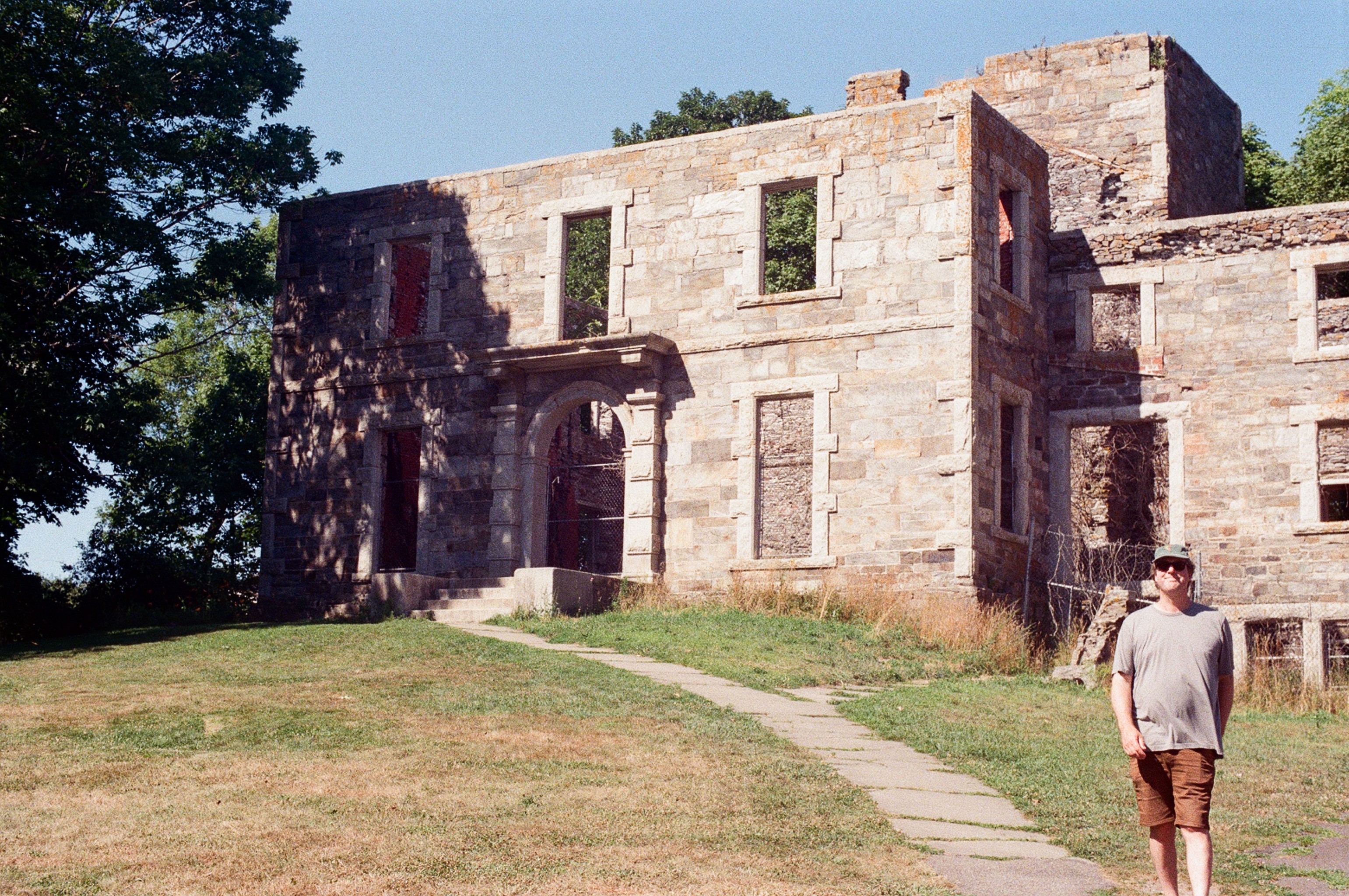
Two years later, the next summer we were in Maine, Spike proposed with a Victorian opal ring in the ruins of an abandoned mansion[2]next to Maine's oldest lighthouse. He also bought wood carving knives on this trip and I wonder now if he's finally moving towards his Wendell Gilley era…
Okay, sure, ducks. But what about Geese?
It might be clear to you now that I am interested in finding meaning in numbers and patterns, plants and birds. Let's first look at the date of our wedding: Thirteen years after meeting in 2013, we will marry September 26th, 2026. That's a lot of baker's dozens. This date coincidentally falls on the Harvest Moon, which is only three days after the autumn equinox this year. I searched for the closest Olde Holiday to draw inspiration from as well: September 29th is Michaelmas, the Feast of St. Michael and All Angels. Michaelmas celebrates the harvest and agricultural bounty, but is also a harbinger of frugality and preparation for winter.[3] It is a threshold between light and dark, a marker of the year's ripening and, in some reckonings, its end. What a perfect time then, for celebrating how we got here, and to begin anew.
This is the light of autumn; it has turned on us.
Surely it is a privilege to approach the end
still believing in something.
— Louise Glück, “October” [4]
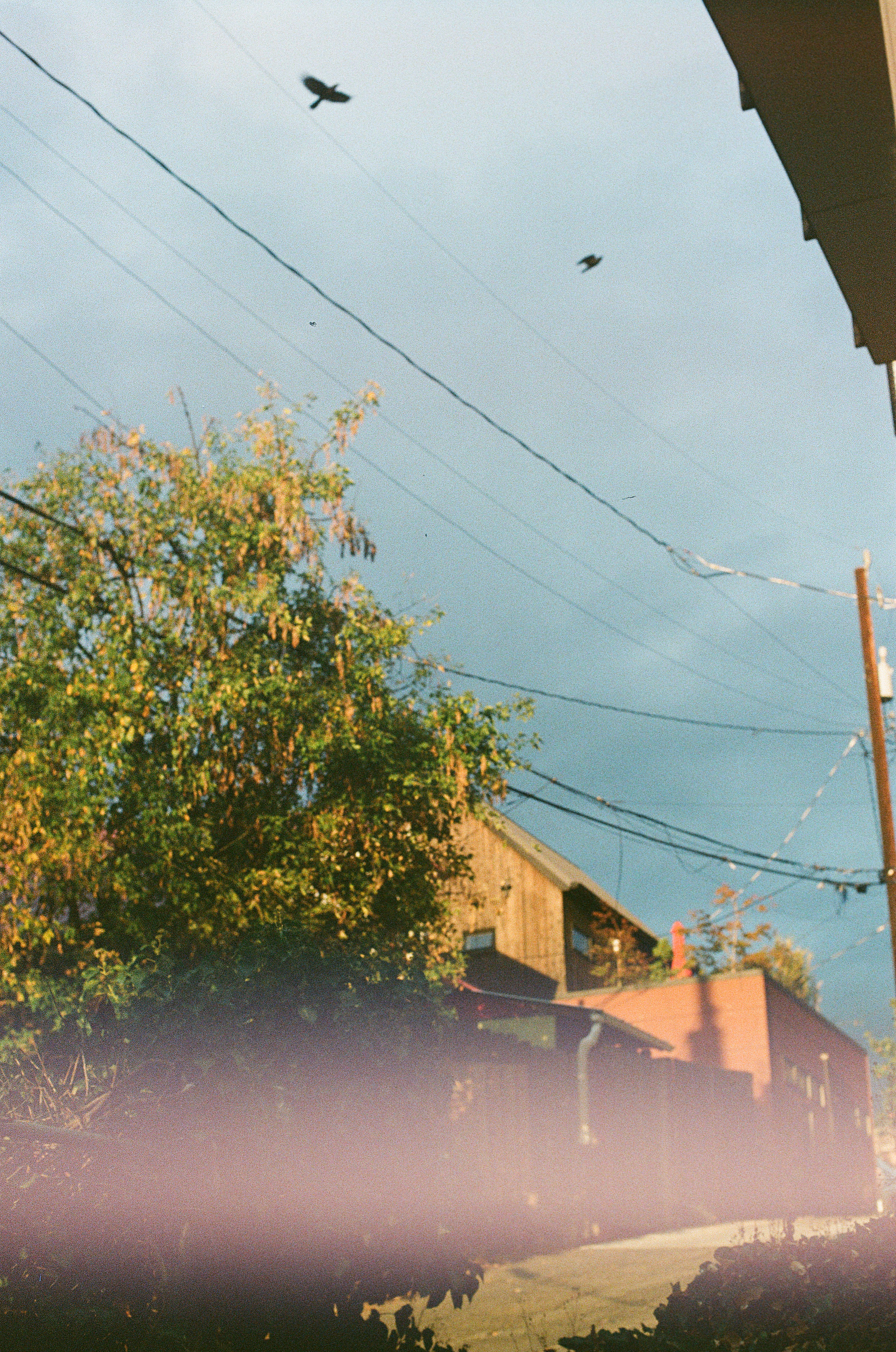
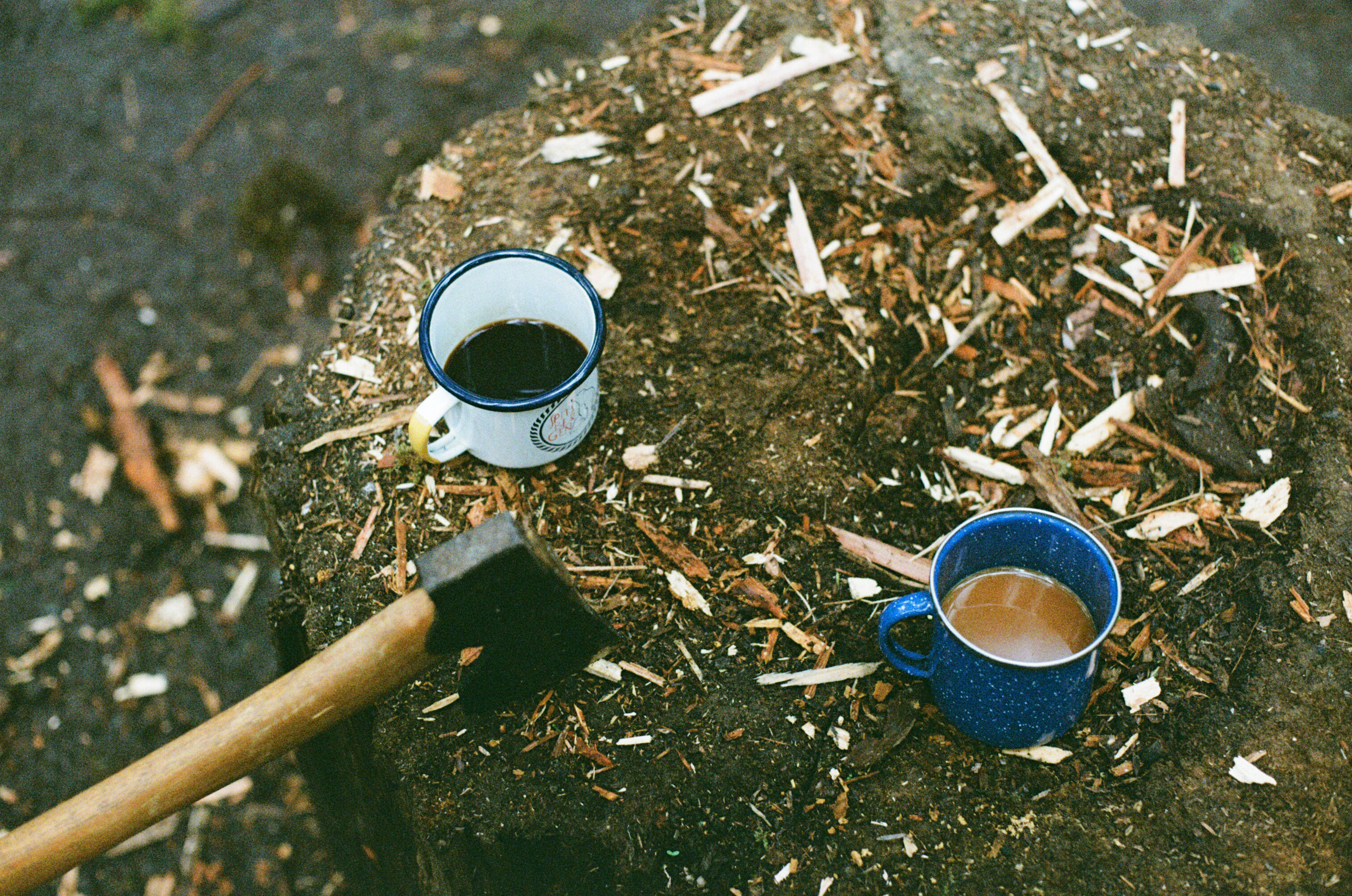
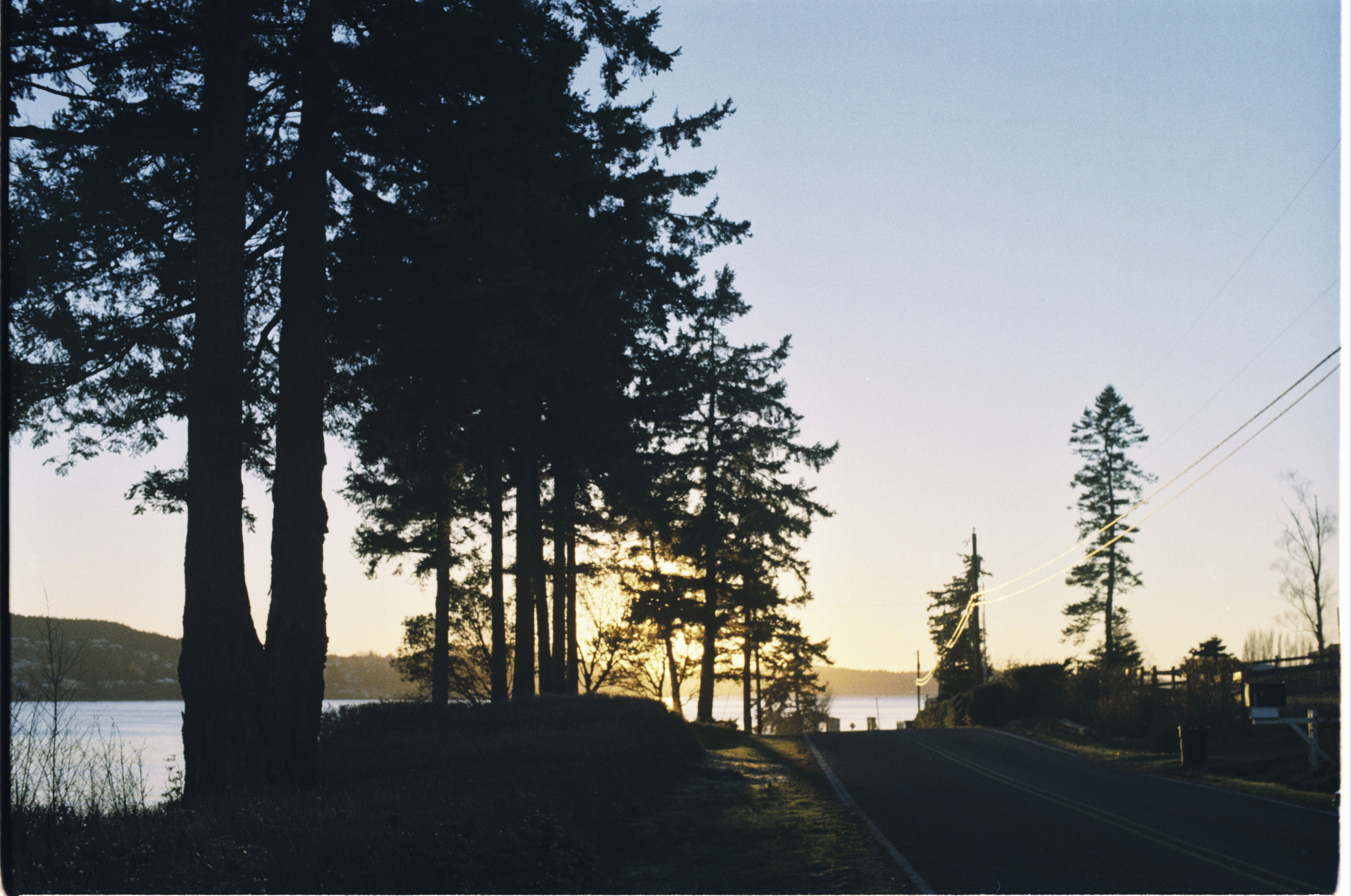
Let's finally discuss the goose and the gander, who know our seasons much better than we. The traditional meal for Michaelmas features a goose fattened on the stubble left in the fields after harvest. If we look locally, Late September is also when the snow geese arrive in Skagit Valley. The large birds descend on the farmland just east of Deception Pass like a loose lace curtain. A massive, honking curtain. It is one of the largest stopovers on the Pacific Flyway, a rest stop on their journey south from the Arctic. Thus, geese-nomenclature is all over Skagit and Island county: you can take a hike right from this camp up to Goose Point. Or you can purchase local vegetables at Snow Goose Produce on your way out. And don't get me started on gooseberries.
Aside from being featured in obscure holiday meals and having local significance to this area, geese have been well known throughout history and across many cultures for their loyalty and fidelity. Geese are depicted as maternal, or silly (“you silly goose”), but also fiercely protective, and devoted life partners. Most true geese mate for life, which explains their status as a symbol of unwavering commitment; not a bad mascot for a wedding! They are also important companions to humans: domesticated geese have been kept as guard animals since at least 387 BC. They are credited for alerting the Romans when the Gauls invaded (while the dogs slept, unbothered). [5]
Waterfowl are the throughline; I am sure you agree by now.
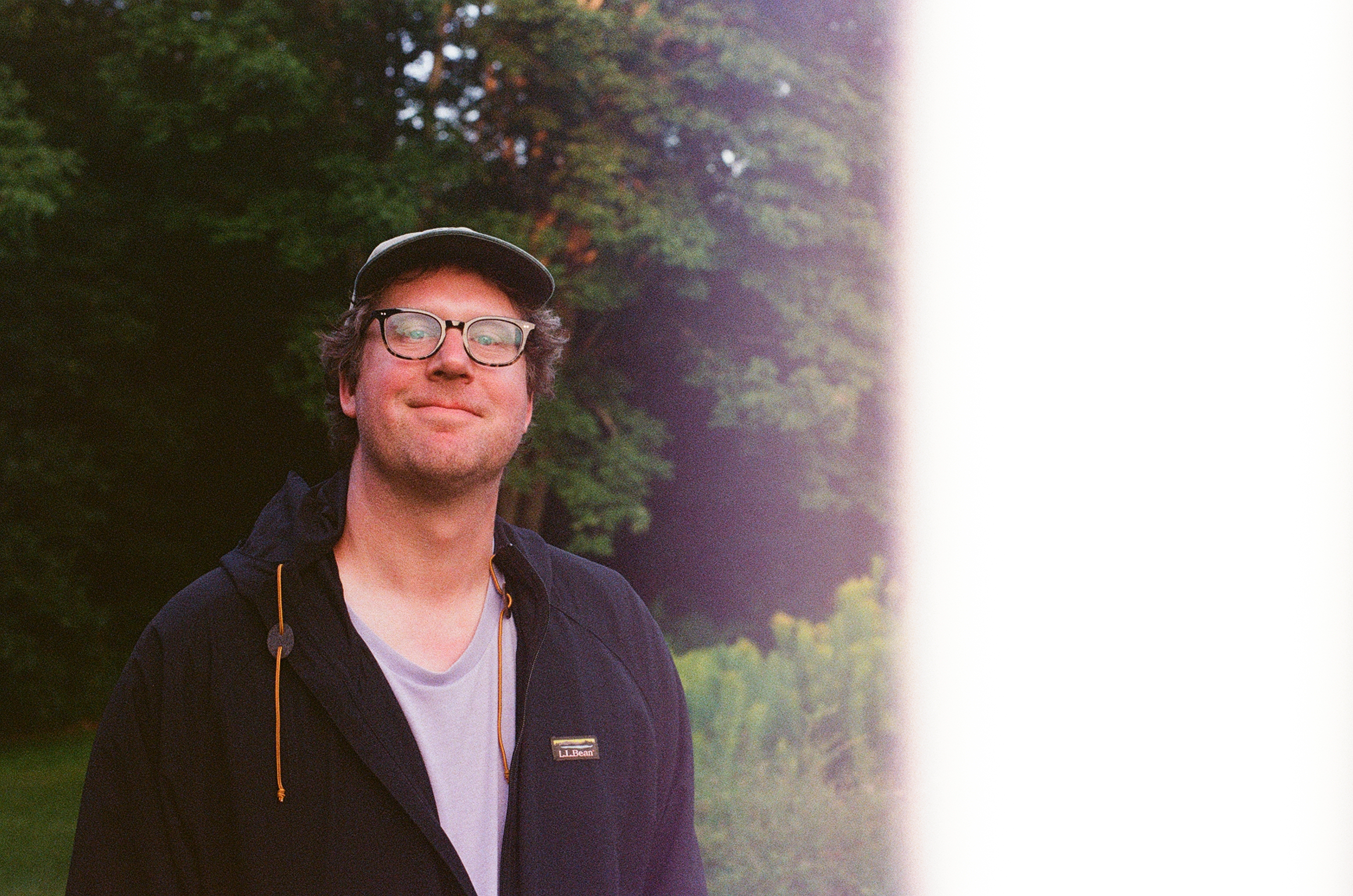
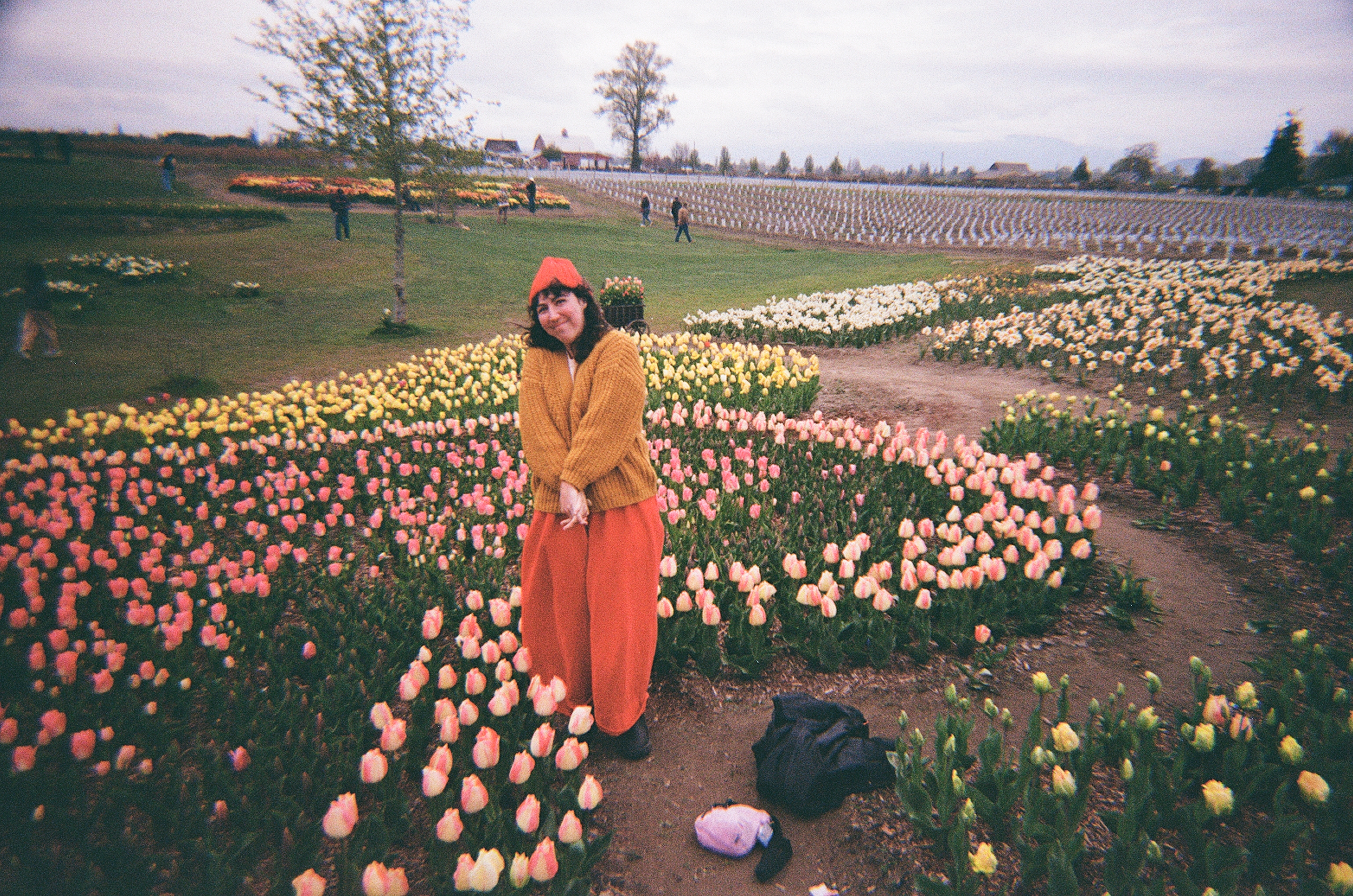
We end back on the eider. You may have seen images of the striking King Eider, with their bulky heads that feature brilliant plumage and an ornate bill. Found along the Arctic coastlines, their dramatic coloration and habitat make them a favorite to paint in the annual federal duck stamp competition.[6] But the namesake of our gathering comes from the down of the widespread Common Eider: the soft, dense feathers a female plucks from her own breast to line her nest. Eiderdown has been collected by coastal communities for centuries, prized above all other insulating materials. Farmers (self described as “eider caretakers”) in Iceland have purportedly had mutually beneficial relationships with the birds since Icelanders first settled in the year 874 (!) and only gather their feathers after the nest is no longer in use.[7]
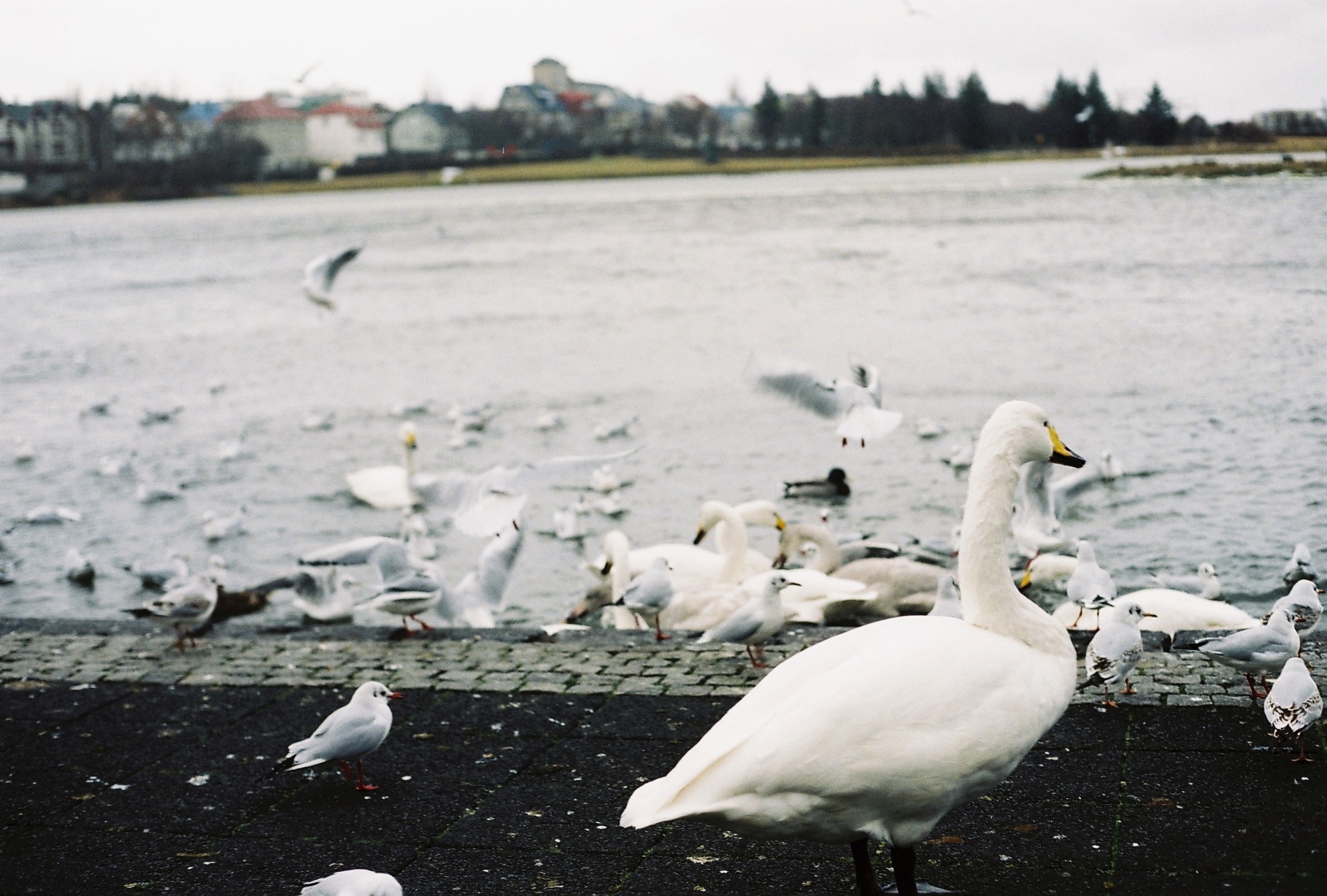
Camp Eiderdown honors the waterfowl, their recurring presence and rich folklore. They faithfully retrace their ancient paths, and always return home. It is also, if you will excuse the pun, somewhat of a hoedown: a gathering of some hundred pairs of feet for a musical celebration of long-standing love.
We thank you for joining us here as the wheel turns ever on. May the turning soften us, and churn our sorrows into joy, like cream into golden butter.
“We need another and a wiser and perhaps a more mystical concept of animals. Remote from universal nature and living by complicated artifice, man in civilization surveys the creature through the glass of his knowledge and sees thereby a feather magnified and the whole image in distortion. We patronize them for their incompleteness, for their tragic fate for having taken form so far below ourselves. And therein do we err. For the animal shall not be measured by man. In a world older and more complete than ours, they move finished and complete, gifted with the extension of the senses we have lost or never attained, living by voices we shall never hear. They are not brethren, they are not underlings: they are other nations, caught with ourselves in the net of life and time, fellow prisoners of the splendour and travail of the earth.”
— Henry Beston (1956). “The Outermost House”
Citations
- ↑ Wendell Gilley Museum. About Wendell. Southwest Harbor, Maine. wendellgilleymuseum.org
- ↑ Portland Head Light. Goddard Mansion. Cape Elizabeth, Maine. portlandheadlight.com
- ↑ Hilmar-Jezek, Kytka. Michaelmas Circle, Story & Resources. Waldorf Homeschoolers. waldorfhomeschoolers.com
- ↑ Glück, Louise. October. From Averno. Farrar, Straus and Giroux, 2006. wordsoftheyear.com
- ↑ Wikipedia contributors. Federal Duck Stamp. Wikipedia, The Free Encyclopedia. wikipedia.org
- ↑ Eiderdown of Iceland. Icelandic Eider Farmers. eiderdownoficeland.com
- ↑ Wikipedia contributors. Battle of the Allia. Wikipedia, The Free Encyclopedia. wikipedia.org